Watershed determines size, not your acreage
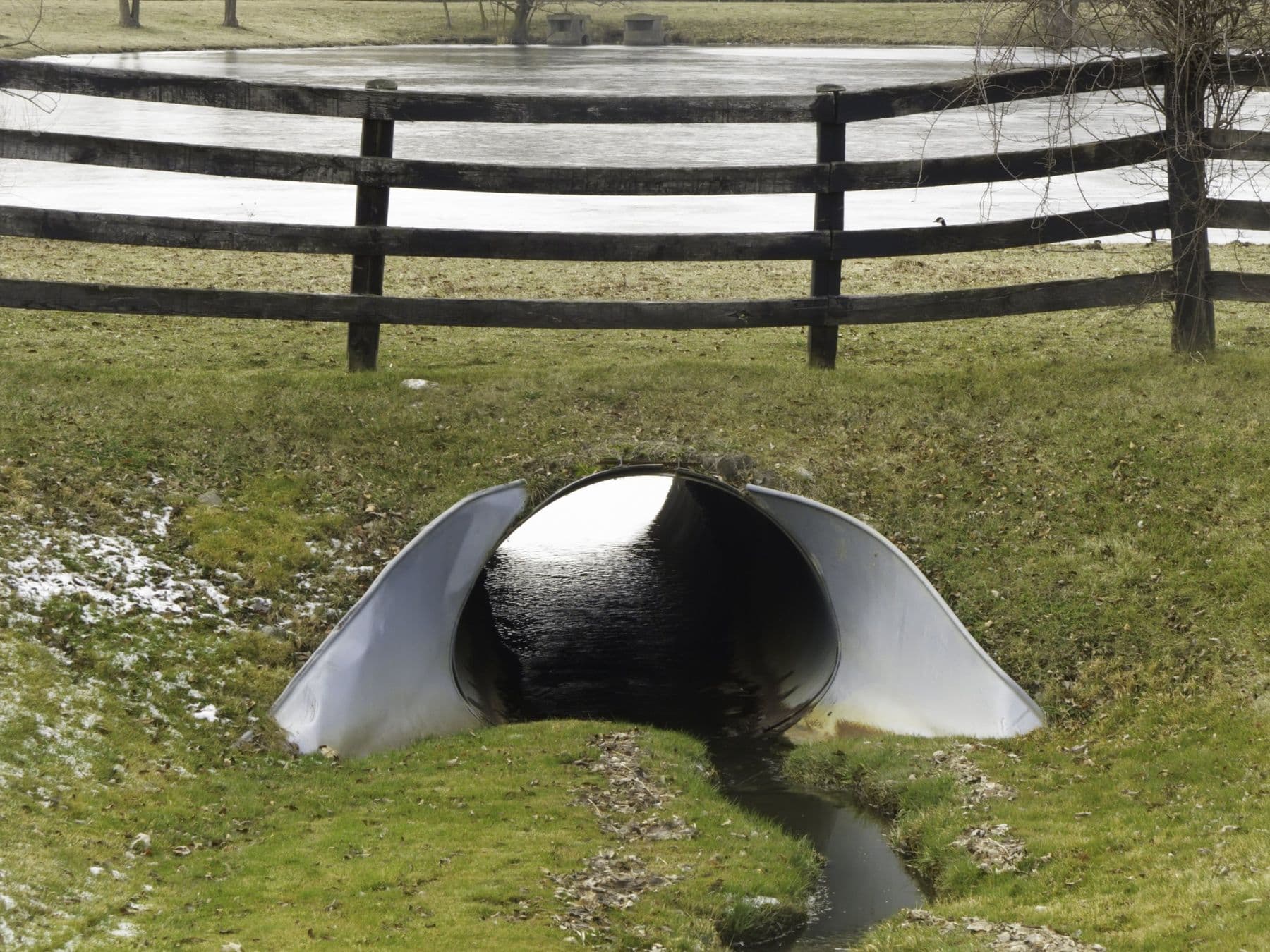
A common assumption: 'I have 20 acres, I need a 20-acre pond.' Wrong question. A pond needs enough watershed running into it to keep it full through East Texas dry summers. Watershed is the upslope land that drains into your pond bowl. Forty acres of upslope feeding a 1-acre pond holds water; ten acres feeding a 1-acre pond goes dry in August.
We walk the property, sometimes with a topo map pulled, and back into pond size from what the watershed will actually deliver. The pond that holds water is the one sized to the land, not to the customer's preference.
Clay vs. sandy loam vs. caliche
Houston Black clay holds water naturally, a pond bowl cut into clay seals itself with proper compaction. Sandy loam, common in Henderson and Smith counties, leaks. A pond in sand needs a clay liner trucked in or, in some cases, a bentonite seal. That changes the price meaningfully.
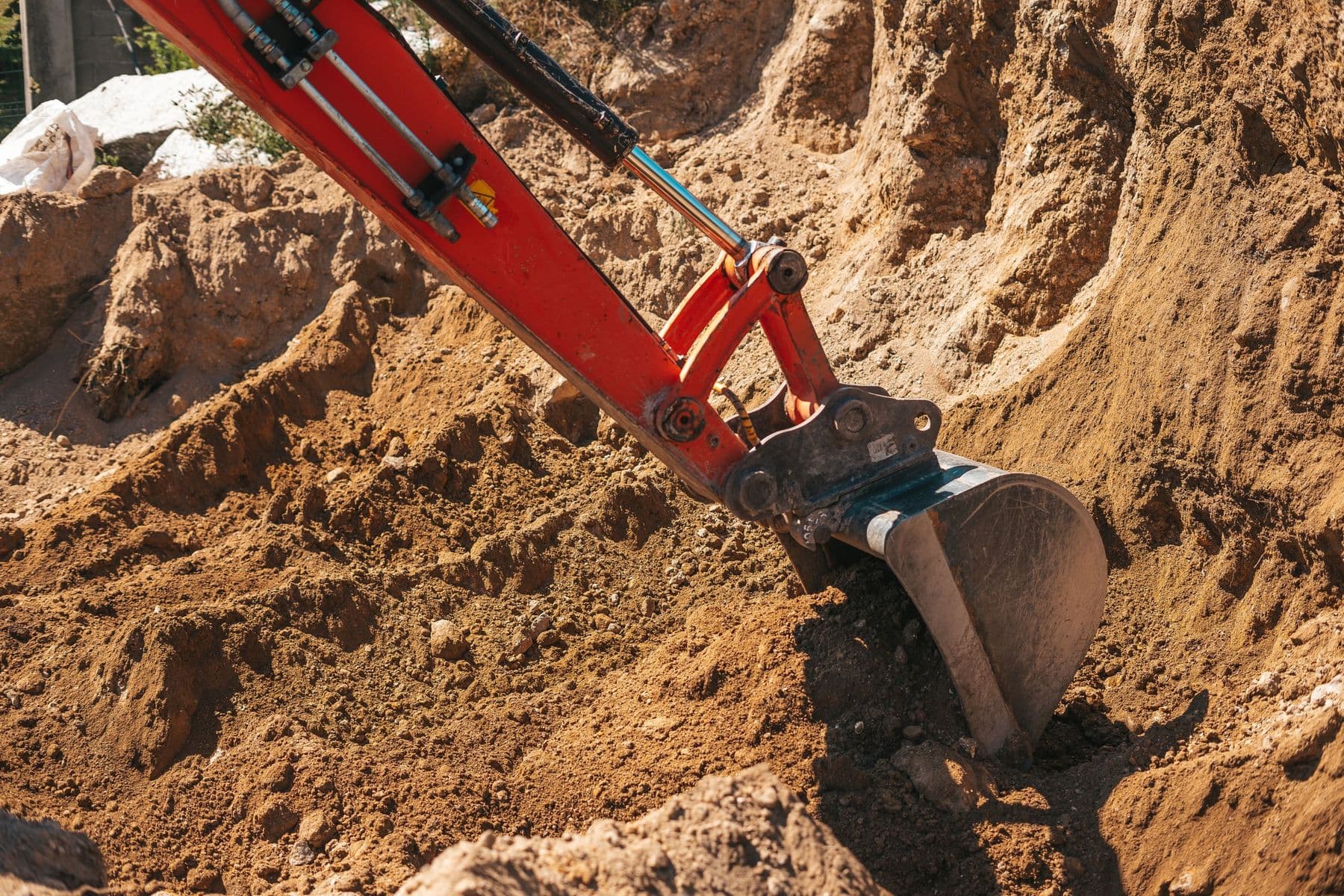
Caliche pockets, common in Van Zandt around Canton, are the worst case: solid, hard to dig, and they don't seal. We check soil before bidding so the price reflects what we'll actually find when the bucket hits the dirt.
Access and haul are half the cost
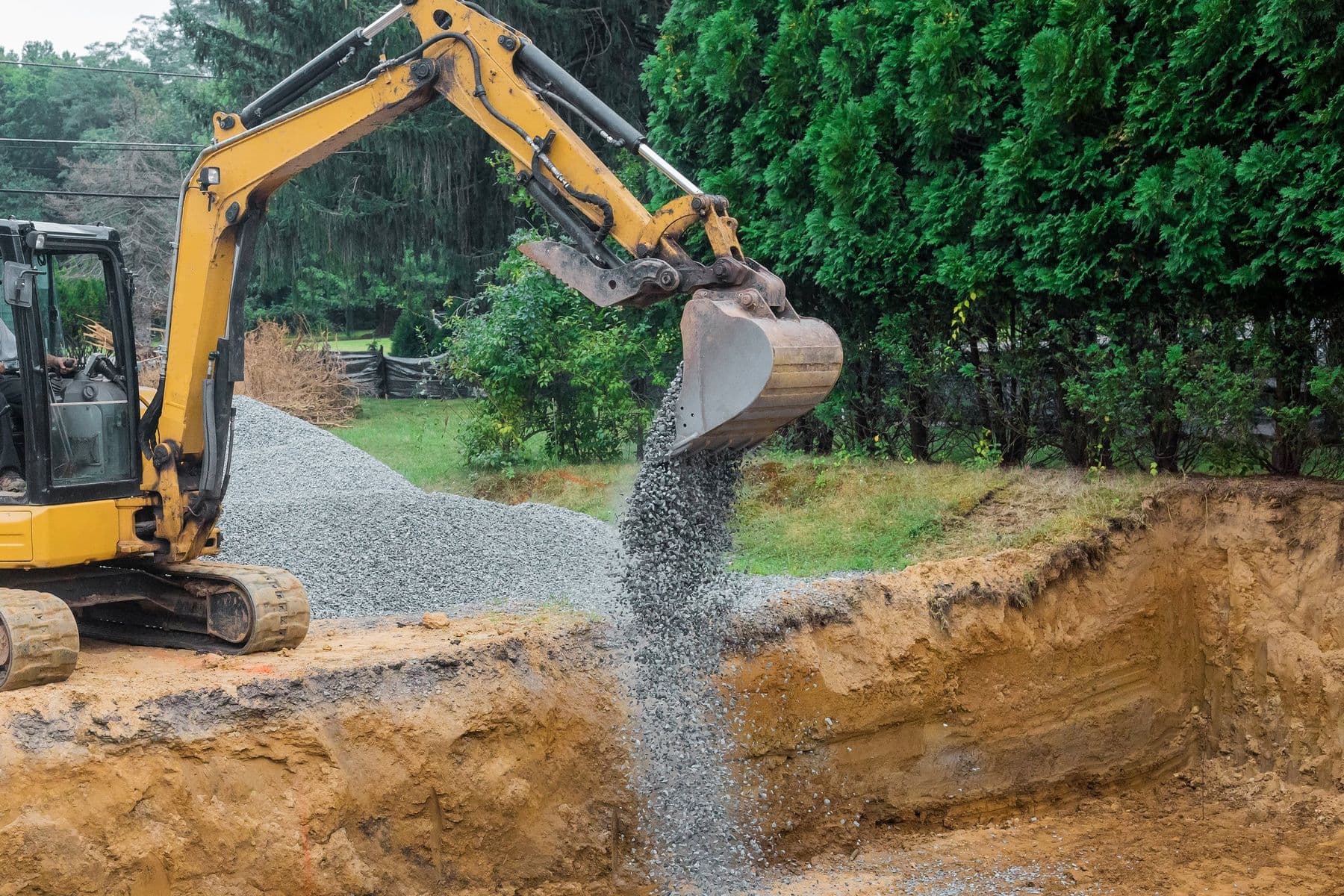
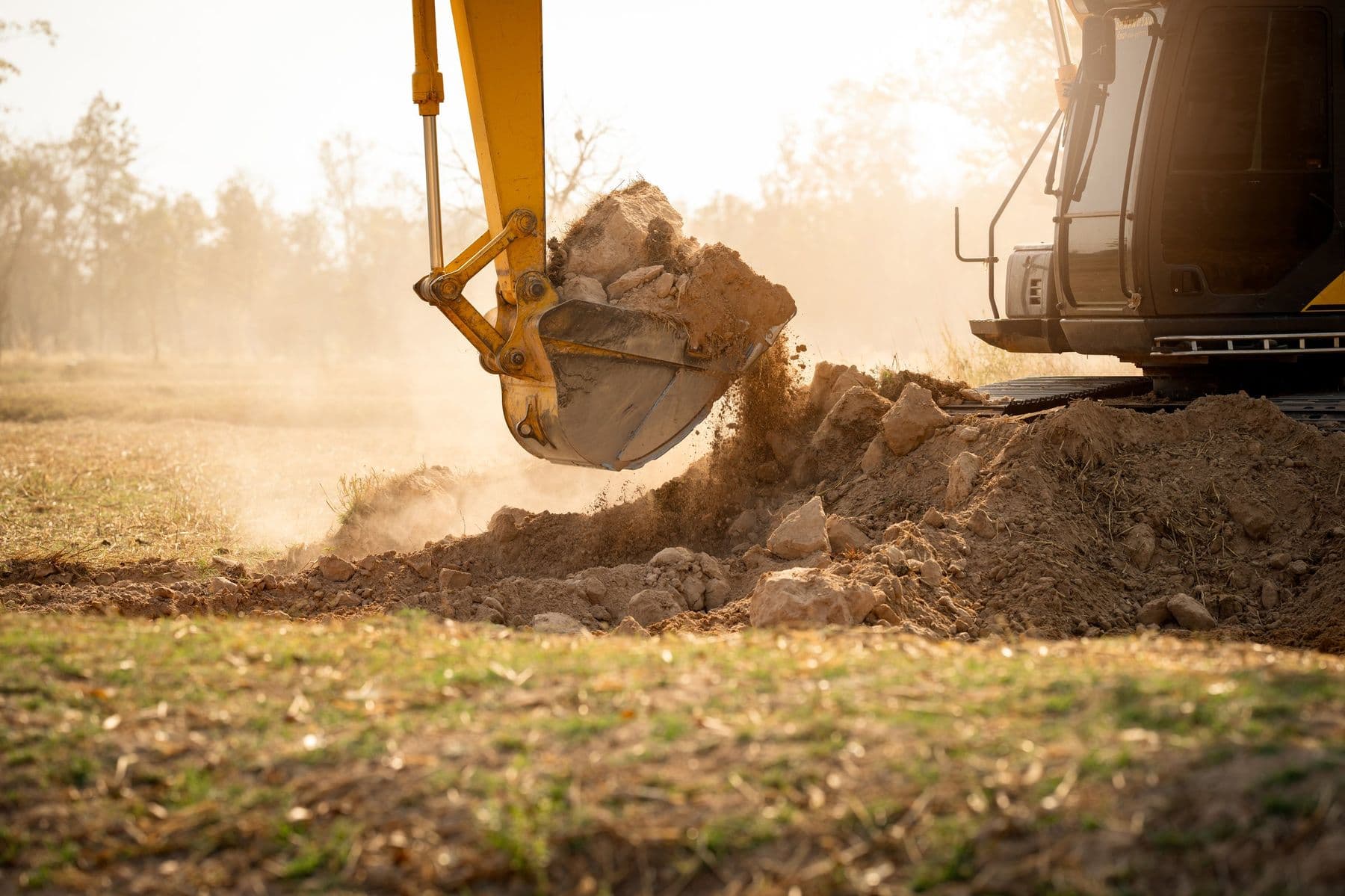
Pond excavation generates a lot of material, 5,000 cubic yards for a small pond, 15,000+ for a meaningful one. That dirt has to go somewhere. If we can spread it on your acreage as pasture fill, the price is one number. If it has to be hauled off, the price doubles. We talk through this at the walk so there's no surprise.
Access matters too. A pond site you can drive a dump truck right to is different from a pond site at the back of 80 acres reached by a half-mile of pasture road. Travel time per load adds up.
Bottom Line
Every pond we've ever dug got priced after walking the site. We don't quote ponds over the phone, the soil, the watershed, the haul plan, and the bowl shape are too project-specific. Call and we'll come look.